Contract cider pressing models: how regional mills handle volume spikes
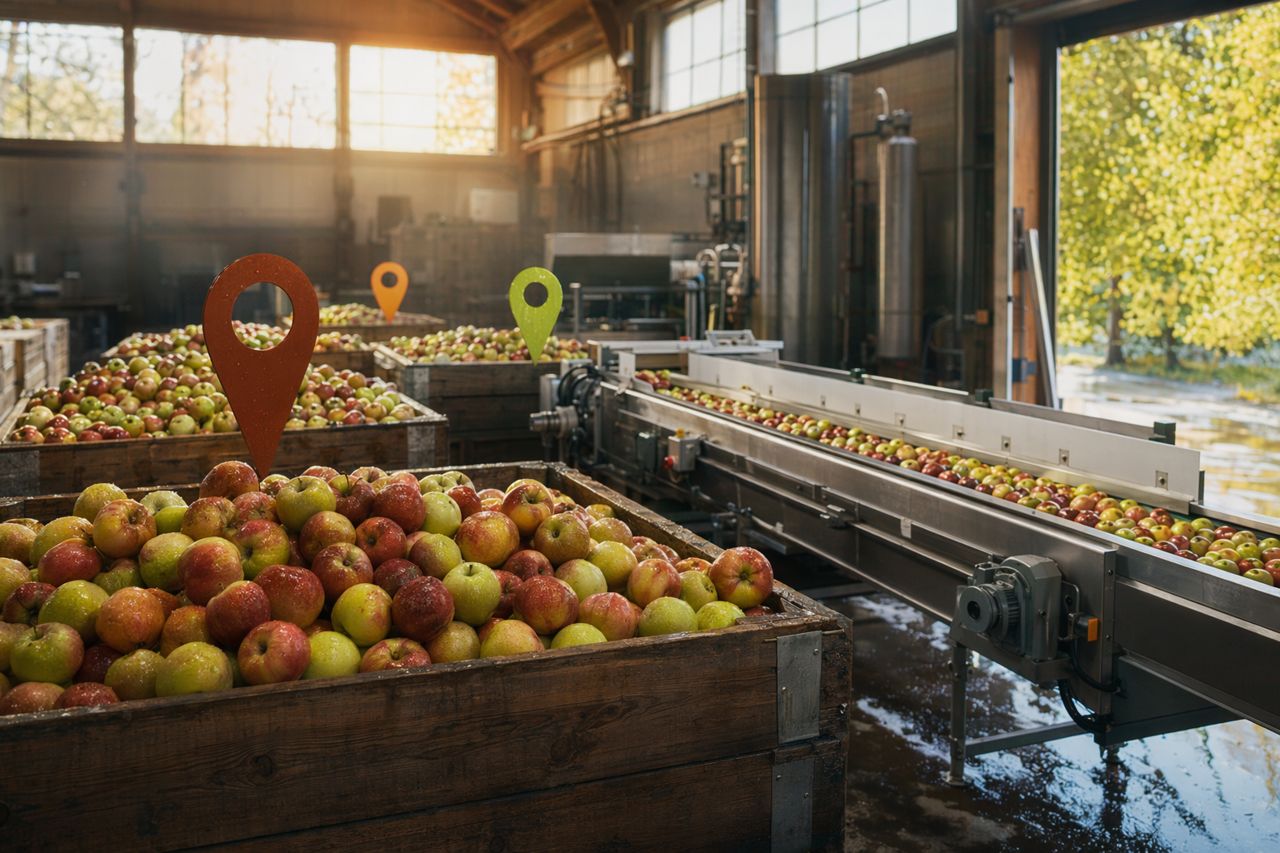
Harvest does not arrive politely. A warm week can pull fruit forward, a rain window can compress picking, and suddenly every grower, cidery, and farm brand wants apples washed, milled, pressed, settled, and out the door before aroma and firmness start to slide.
For regional hard cider mills, contract pressing is often the pressure valve. The right model turns seasonal chaos into sellable capacity. The wrong model clogs receiving, slows the press deck, creates juice quality disputes, and leaves tanks full when the next truck is already backing in.
Enzymesbridge works as an enzyme supplier for cider production with mills that need practical throughput gains: better pomace breakdown, more efficient juice release, faster clarification, and cleaner fermentation starts. In contract pressing, those gains matter because the mill is not only making juice. It is selling time, predictability, and confidence.
Why contract pressing gets complicated fast
A single-house cider operation can adjust around its own fruit, tank space, and cellar schedule. A contract mill has to balance many clients at once, each with different fruit, formats, quality expectations, and pickup windows.
Common friction points include:
- Receiving surges when multiple orchards harvest into the same weather window.
- Mixed fruit maturity that changes milling behavior, pomace structure, and juice viscosity.
- Press cycle drift as softer fruit or high-pectin varieties slow drainage.
- Clarification delays that hold tank capacity longer than planned.
- Fermentation variability when juice leaves with inconsistent solids load or pectin haze.
- Chain-of-custody pressure when each lot must stay traceable from bin to tote, tanker, or fermenter.
A contract pressing model should answer one operational question: how does the mill protect flow when volume peaks?
Model 1: Straight toll pressing
Straight toll pressing is the simplest structure. The client owns the fruit and pays the mill to wash, sort, mill, press, and return juice. The mill is paid for service, not ownership of the product.
Where it works best
This model fits growers and cider brands that already control fruit sourcing and want a clear conversion service. It is especially useful when clients provide clean, well-sorted apples and can accept juice quickly after pressing.
Operational strengths
- Clear lot ownership and traceability.
- Simple pricing structure.
- Minimal inventory risk for the mill.
- Good fit for repeat clients with predictable specs.
Where it strains during spikes
Toll pressing can overload the mill if every client expects immediate turnaround. The press line becomes the visible bottleneck, but the real slowdown often starts earlier: bins waiting for inspection, uneven milling behavior, slow juice release, and settling tanks filling faster than they clear.
Enzyme-supported control point
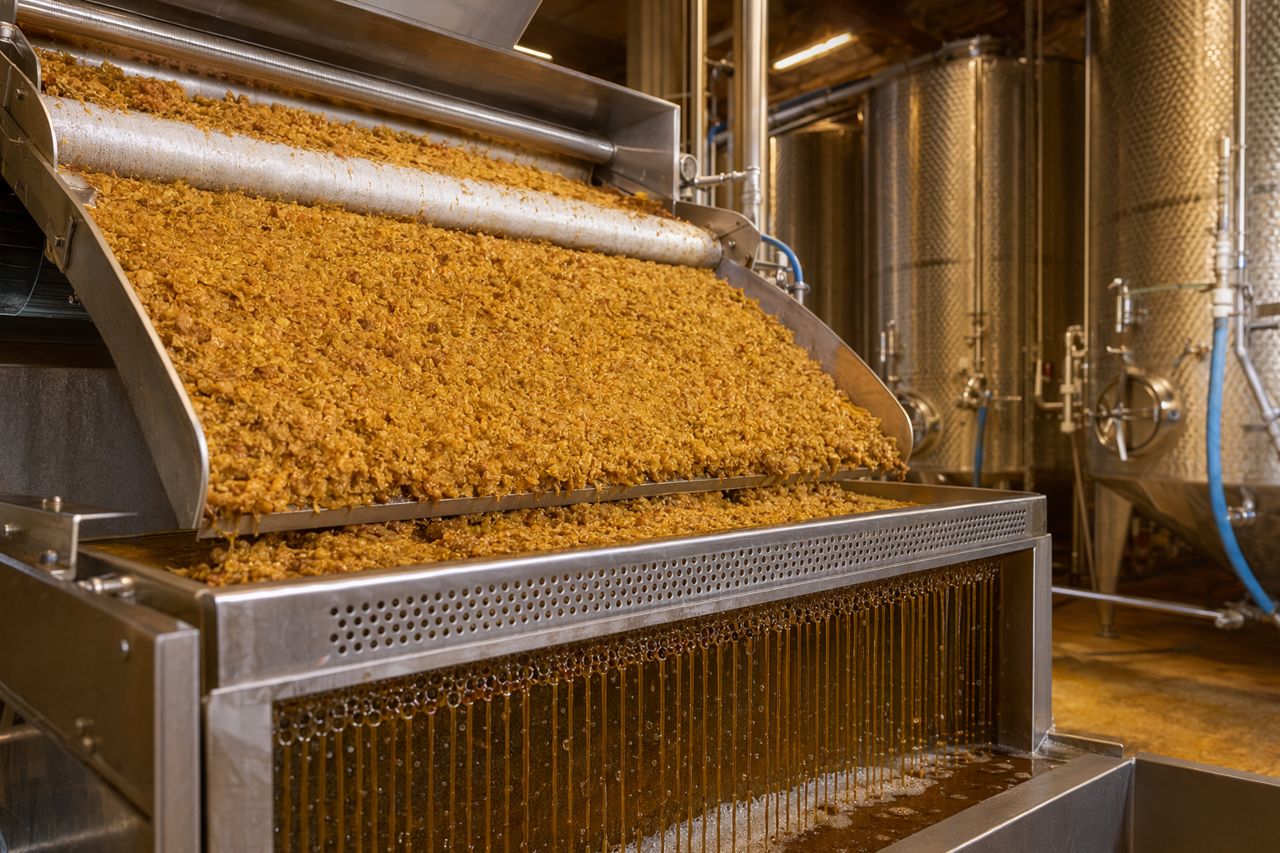
For toll pressing, enzyme use is primarily about keeping the line moving without compromising juice character. A well-matched pectolytic program can reduce mash viscosity, improve free-run flow, support more complete pressing, and help juice clarify faster after pressing. The buyer value is direct: more predictable press cycles, better yield from client fruit, and fewer disputes about cloudy or sluggish juice.
Model 2: Reserved-capacity pressing
Reserved-capacity contracts move beyond one-off toll work. The client books production windows in advance, often around expected harvest blocks. The mill protects a defined amount of line time, tank space, labor, or daily throughput.
Where it works best
This model suits established cider brands, orchard groups, and regional aggregators that know approximate volume before the season begins. It is a good fit when missed processing windows carry commercial risk.
Operational strengths
- Better labor and shift planning.
- Fewer surprise arrivals at peak harvest.
- Stronger basis for sanitation, tank, and dispatch scheduling.
- Improved client confidence when fruit maturity accelerates.
Where it strains during spikes
Reserved capacity only works if the mill understands its true daily limit. A theoretical press capacity can collapse when fruit is soft, pomace is wet, or settling tanks do not clear. If the mill promises capacity based only on mechanical press ratings, harvest will expose the gap.
Enzyme-supported control point
Enzymesbridge helps mills build enzyme programs around real production behavior: apple condition, mill gap, mash handling time, press type, juice temperature, clarification target, and downstream fermentation plans. The goal is not to make every lot identical. The goal is to keep variability from consuming the schedule.
Model 3: Split-lot custom protocol
In this model, the mill presses for several cider makers but follows different process protocols by client or product tier. One lot may be intended for aromatic cider with low solids. Another may be destined for robust fermentation where some texture is acceptable. A third may require fast bright juice for blending.
Where it works best
Split-lot custom protocol is valuable for mills serving premium brands, estate programs, or clients with strict house styles. It allows the contract mill to become a technical partner rather than a commodity processor.
Operational strengths
- Higher-value service offering.
- Better alignment with client fermentation goals.
- Ability to segment juice by clarity, tannin expression, aroma, and pressing fraction.
- Stronger retention for demanding cider makers.
Where it strains during spikes
Complexity is the risk. Every custom protocol adds decision points: fruit intake notes, milling settings, enzyme selection, contact time, press fraction handling, fining or settling approach, and dispatch specs. Without tight documentation, custom work can slow the floor and create avoidable rework.
Enzyme-supported control point
Enzymes give the mill a practical lever for tailoring outcomes. For example, a protocol may prioritize rapid pectin reduction and clean settling for a bright fermenting base. Another may focus on press efficiency while preserving fresh apple aroma and avoiding heavy-handed processing. The benefit is not only technical; it is commercial. The mill can sell differentiated pressing services with confidence.
Model 4: Mill-managed fruit plus pressing
Some regional mills buy, aggregate, or broker apples, then press juice for client brands. The client may purchase juice rather than own fruit through the entire process.
Where it works best
This model fits emerging cider brands that need reliable juice but do not yet manage orchard relationships or harvest logistics. It can also work for established producers that need supplemental juice when their own crop falls short.
Operational strengths
- More control over fruit intake and sorting standards.
- Easier blending across varieties and orchards.
- Opportunity to optimize pressing around mill-owned inventory.
- Higher margin potential than basic toll pressing.
Where it strains during spikes
The mill carries more inventory risk. Fruit that waits too long can soften, lose aromatic lift, and behave poorly in the press. The mill also becomes responsible for matching juice specs to customer expectations.
Enzyme-supported control point
When the mill controls fruit sourcing, enzyme strategy can be tied directly to seasonal fruit behavior. Early-season apples may need different process support than late, storage-softened fruit. A steady enzyme program helps protect yield and clarification while the mill manages blend targets and customer commitments.
Model 5: Fermentation-ready juice service
Some contract mills press, clarify, chill, adjust within agreed specs, and deliver juice that is ready for inoculation or transfer into an active cellar plan. This is less about simple pressing and more about handing off a stable production input.
Where it works best
This model is attractive to cider brands with limited pressing infrastructure, urban cideries, and beverage companies scaling seasonal releases. They want juice that behaves predictably in fermentation and does not require emergency clarification on arrival.
Operational strengths
- Strong value proposition for clients without press capacity.
- Better control over solids and pectin load before dispatch.
- Reduced receiving burden for the client cellar.
- Opportunity for premium pricing based on process assurance.
Where it strains during spikes
Tank space becomes the bottleneck. If juice does not clarify quickly, the mill loses the ability to receive and press the next lots. Dispatch timing also becomes more sensitive because totes, tankers, or fermenters must be ready when the juice is.
Enzyme-supported control point
For fermentation-ready juice, pectin management is central. Lower viscosity, faster settling, and more consistent clarity help the mill release tanks sooner and give the client a cleaner fermentation start. That can reduce downstream surprises: sluggish settling in the client cellar, uneven nutrient planning, or haze that carries too far into maturation.
The real bottleneck is not always the press
During harvest, mills often focus on the press as the constraint. It is visible, loud, and expensive. But volume spikes usually reveal a chain of smaller constraints.
Watch these pressure points
-
Bin intake and inspection
Slow grading decisions create yard congestion and make lot sequencing harder. -
Wash and sort discipline
Poor sort discipline can turn a fast press day into a quality problem later. -
Milling consistency
Overly coarse mash can leave juice behind. Overly fine mash can blind the press and slow drainage. -
Mash handling and enzyme contact
The right contact window supports juice release and pectin breakdown without forcing the floor into impractical holds. -
Press fraction management
Free-run, main press, and late press fractions may behave differently in clarity, flavor, and solids. -
Settling or flotation capacity
Clarification that lags behind pressing can turn tanks into parked inventory. -
Outbound packaging or bulk dispatch
Juice is only through the system when the tote, tanker, or fermenter receives it.
A good contract model prices and schedules around the whole chain, not just the press cycle.
What to define before the season starts
Contract pressing runs better when the commercial agreement reflects actual production realities. Before harvest, mills should define:
- Fruit receiving windows and late-arrival rules.
- Minimum sorting standards and rejection criteria.
- Lot identification and traceability format.
- Expected juice style: cloudy, settled, bright, or fermentation-ready.
- Whether enzyme treatment is standard, optional, or client-specific.
- Clarification target and acceptable solids range by product type.
- Turnaround expectations after pressing.
- Tank, tote, or tanker responsibility.
- Pomace handling and disposal terms.
- Change-order rules when fruit condition differs from the plan.
This is where technical clarity becomes commercial protection. If a client delivers soft, bruised, high-pectin fruit and expects rapid bright juice, the mill needs a process plan and a contract language that recognize the extra load.
How Enzymesbridge supports contract cider mills
Enzymesbridge supplies enzyme solutions for cider production with a focus on plant-floor outcomes. We help mills connect enzyme choice and dosing strategy to what the operation actually needs:
- More efficient juice release from variable apple lots.
- Improved press throughput during compressed harvest windows.
- Faster pectin haze reduction for clearer juice.
- Better tank turnover through improved settling behavior.
- More consistent fermentation starts for contract clients.
- Process options that protect fresh apple aroma and cider style.
We do not approach cider enzymes as a generic additive. Contract pressing needs a practical program: what fruit is coming in, how the mash behaves, how long the floor can hold it, what clarity the client expects, and how soon the juice must ship.
A simple operating framework for volume spikes
When the forecast tightens and the yard starts filling, use a three-part framework.
1. Segment the fruit
Separate lots by maturity, condition, variety class, and client priority. Do not let fragile fruit wait behind stable fruit simply because it arrived later. Fruit behavior drives press behavior.
2. Match the process to the service promise
A cloudy farmhouse base, a bright fermentation-ready juice, and a premium aromatic lot should not automatically run under the same protocol. Match milling, enzyme use, pressing, and clarification to the commercial promise.
3. Protect tank release
Pressing faster only helps if juice can move onward. Track clarification speed, outbound logistics, and client pickup readiness as carefully as press loading.
The commercial upside
A disciplined contract pressing model lets a regional mill sell more than emergency capacity. It can sell assurance.
For the client, that means fruit handled at the right moment, juice that fits the intended cider, and fewer production surprises. For the mill, it means better use of labor, fewer stalled tanks, more predictable press days, and a stronger reason for clients to reserve capacity early.
When enzyme-supported process control is built into the model, the mill can absorb more seasonal variation without letting every apple lot rewrite the schedule.
Faceless explainer video
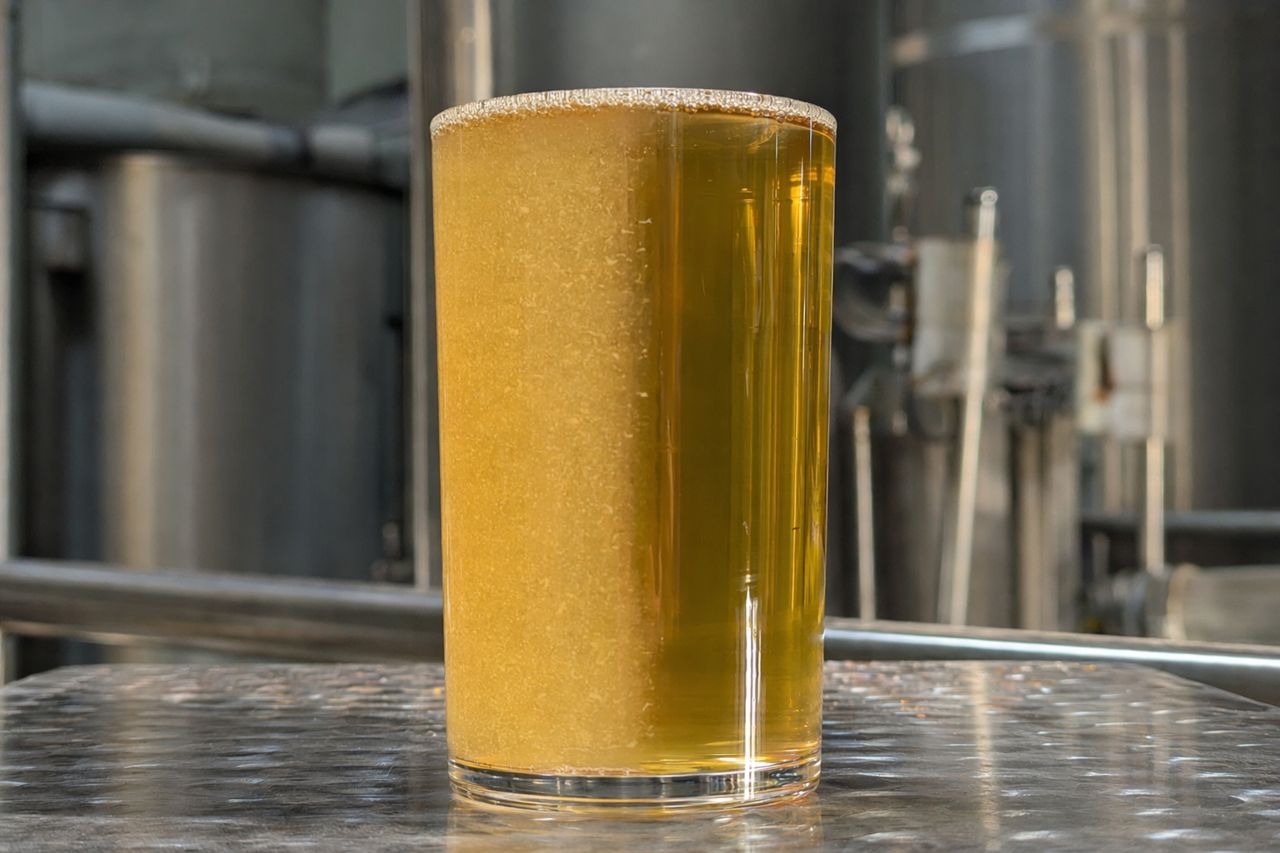
This page includes a one-minute faceless explainer showing apples moving from contract receiving through milling, enzyme-supported mash handling, pressing, clarification, and outbound bulk juice dispatch. The visual style is industrial, crisp, and amber: stainless steel, wet fruit, golden juice, clear process markers, and no people on camera.
Planning a contract pressing season?
If your mill is reviewing toll pressing, reserved capacity, fermentation-ready juice, or custom client protocols, Enzymesbridge can help map an enzyme program to your production goals.
Request a quote through the on-site form and tell us about your fruit profile, press setup, clarification target, and seasonal volume pattern. We will respond with a practical recommendation built for cider production, not a generic processing line.